
|
April 15, 2010
Lonesome, Onry and Mean |
By: William Michael Smith, Thursday, Apr. 15, 2010 @ 3:00 PM Categories: This Just In Too many records, too many records, too many records. Sometimes Lonesome, Onry and Mean just has to take a deep breath, swallow hard and admit we can never give a fair listen to all the stuff that shows up in the mailbox. And since we seldom do actual album reviews in print anymore, we occasionally get guilt pangs about records we feel something should have be said about on the public record. So, here's a bit of makeup. Desoto Rust, Highway Gothic: These Philadelphia bar-band rockers work that territory around Springsteen and Marah. The last thing a Texan expects is a down-home jam about San Angelo by a bunch of Yankees, but these guys really nail it. Two road songs, "Open Road" and "Northern Road," rock it heartland-hard like John Mellencamp in the Cougar days. LOM's got nothing but good to say about Desoto Rust and Highway Gothic. This one stays in the truck!
|
|||
|
January 2010
|
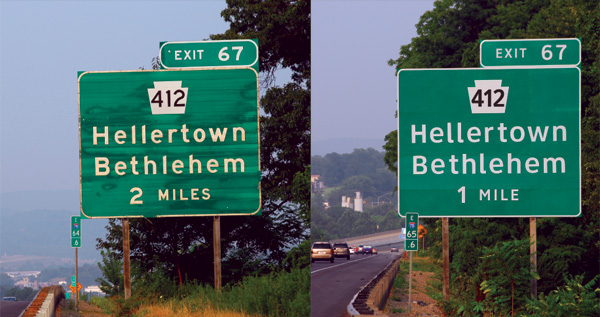
Artists On the Verge 2010 “La-da-na-na-na-na-na/La-da-na-na-na-na-na/La-da-na-na-na-na-na/la-na-na-na/na-na-na-ah…weekends at the old hole/They got it going on without a care…” Thus the first few, adrenaline-charged, relentlessly pounding seconds of “All Riders…All Nighters,” a gritty, unsparing celebration of, if you will, “the subtle life of a music man,” as the song says, full of the Friday night “smell of booze and sin” and gassed up girls that “spit you out, then they’ll take you in,” culminating in the exhortation to “all you riders, and all nighters/let’s get it going til the break of dawn…” Come Monday morning, the girl is gone for good, the music man is gearing up to return to the hole “for pay and booze and overnight affairs/Yeah, you know we’ll be playing there.” The bluesy, husky voice of Ray Hunter telling this tale brooks no doubts as to the authenticity of its feeling—it’s coming from a place it knows all too well. Similarly, the musicians behind the voice are pushing the anthemic “All Riders…All Nighters” into Springsteen/Spectorian grandeur, with a booming, ferocious, basic band assault, and celebration is in the air. Within the mundane facts of the music man’s existence lies a proud nobility of purpose—women come and go, but on Friday night, he takes the stage and cranks it up again, gets it going til the break of dawn. You don’t even have to get all the way through “All Riders…All Nighters,” the leadoff track on DeSoto Rust’s third album, Highway Gothic (so named after the 1940s highway signage font now being phased out by the Federal Highway Administration in favor of a custom typeface called Clearview that is easier to read, especially at night, and at speeds above 65 MPH), to know this band is for real, and understands rock ‘n’ roll not as some precious, artsy-fartsy intellectual endeavor (all Brooklyn bands take note), but rather as how it’s been defined in its purest form since the day in 1954 when a certain 19-year-old electric company truck driver celebrated elsewhere in this issue walked into the Memphis Recording Service and cut revved up versions of Arthur Crudup’s blues, “That’s All Right,” and Bill Monroe’s bluegrass ballad, “Blue Moon of Kentucky,” and was closely followed in that pursuit by a quartet out of Jackson, TN, that had been playing hopped-up honky tonk music for years, led by a gifted guitar picker/writer/singer named Carl Perkins. Just as Perkins made poetry of the lives and culture of poor white southerners; just as John Fogerty tapped into something primordial about the common man’s feelings; just as Springsteen went from romanticized reflections on youthful strivings for dignity and identity to piercing ruminations on working class life and various social issues; so do the musicians in DeSoto Rust cast their lot with the most enduring strain of American rock ‘n’ roll, that which mates a fierce, pounding rhythmic charge and snarling electric guitars to striking, populist poetry, ringing melodies, emotionally gripping vocals and a sense that, with each note, something is at stake. Certainly that’s the case with the music man who will not be deterred from serving the people every Friday night in “All Riders…All Nighters.” It is surely the case with three truckers who figure in a trio of the album’s most dramatic songs: one who is most alive on the “Open Road,” a study in relentless propulsion and snarling slide guitars circa late ‘60s-early ‘70s primetime Stones, in service to a love song to the “open road that runs true, from morning light to midnight blue”; one who will not be deterred from making his runs by fines for being “Two Loads Overweight,” not when there’s fleeting solace to be had in the arms of the sheriff’s wife, who “may be crazy and a little bit big, but boy she’ll fit in the cab of my rig,” before he moves it on down the line, never to return (the anxiousness of the trucker’s quest to keep it rollin’ is humorously underscored by guitarist David Otwell’s appropriation and variation on a signature Duane Eddy twangin’ guitar riff from “Forty Miles of Bad Road”); and, most poignantly, in the determined crunch and ringing guitars of “Northern Road,” profiling a fellow who is conflicted by his love of a rig that allows him to escape “who I was, or the deals I made,” even as his heart yearns for his wife and sons. And nowhere is more at stake than in the country-inflected shuffle of “Six Appeals,” a modern re-telling of the High Noon showdown, its protagonist being a lawman who’s ready to hang it up at 43, but is headed for a set-to with a gang newly pardoned from prison and coming back to settle an old score with the sheriff who cleaned up the town they once terrorized. The populace is urging him to flee, he’s ready to head out of Kansas and settle down with Ginger Mae in Carolina, but “this lonely law abiding man” is not going to leave the environs to the McKinney bunch. “I’m the law,” he growls with determined menace, “got six appeals in each nickel plated round.” In the DeSoto Rust universe, nothing comes easy, romance least of all. In David Otwell’s southwestern-style country rocker, “Way Back to You,” the main character is in precipitous, emotional free-fall after breaking up with his gal and seeing no hope for reconciliation; in the graceful, loping rhythm and dense textures of acoustic and electric guitars defining the soundscape of “Weather” emerges a bittersweet story of a doomed relationship getting ready to mark its final scene—“You know some things ain’t never meant to last/Janey knows it too and that’s why she’s sleeping with me/and I don’t want to blame the weather no more…” Surprisingly, though, the penultimate song (but the final one listed on the album credits) bursts forth with light and promise: in “You Can Wait On His Memory,” the message is from a man telling a woman she can choose betweensomeone who’s already let her down or “you can answer my call/You can spend your whole lifetime/Waiting on nothing at all,” in an arrangement bursting with soaring background voices, howling electric guitars and stomping rhythm. Which is immediately followed by the unlisted track, a bustling, celebratory rendition of Bob Dylan’s “New Morning” that gives Highway Gothic a sunrise sendoff, the band emerging from the shadows and darkness permeating its narrative, no longer fearing what lies ahead, but anticipating a fresh start at, well, everything. So ends the journey of Highway Gothic, a title as well suited to an album’s content as any other in memory, given how the road, and certain heightened fears of imminent demise, define the atmosphere and subtext herein. As listeners, we arrive at the end of Highway Gothic; as a band, DeSoto Rust arrives with Highway Gothic. It’s a quantum leap ahead of where the roots rockers were at after two previous albums, and by all rights should signal their emergence into the top ranks of America’s rock ‘n’ roll bands. If this were a Battlestar Galactica episode, readers would hereby be instructed to repeat after their faithful friend and narrator: “So say we all!”
[VIDEO LINK] All residing in or around Philadelphia, Pennsylvania, now, the members of DeSoto Rust have long histories with each other. Lead guitarist David Otwell was born in Hattiesburg, Mississippi, grew up in New Orleans, and moved to Philadelphia with his wife in 1986, when she took a job at Temple University; lead singer/lyricist Ray Hunter grew up in the Philadelphia suburbs and met Otwell in 1993, through a mutual friend; the rhythm section of bassist Steve Savage and drummer Dave Reeve date their friendship from their childhood days in southern New Jersey, and played the Jersey Shore circuit in various bands during their early professional years. But Reeve and Savage are also the newest members of DeSoto Rust; before they came aboard, Mike Simmons was on bass and Jane Sennett on drums, and the band, circa 2002, was called Heart Like Mine. On the website www.insurgentcountry.net, Simmons, who was also one of two principal songwriters in the band (along with Hunter, plus an occasional contribution from Otwell) and its producer as well, describes their sound as “a lot different then, some punk tunes and some long, rambling ‘Elvis Costello-esque’ songs and a few other twangy/folky songs. Eventually we focused on the twangy side of our sound. Ray re-dubbed the band DeSoto Rust and we recorded a demo to help get gigs. Things got a little too twangy for Jane and she left the band,” to be replaced by Reeve. Simmons too would leave the band, in 2006, but not until he had produced the first two DeSoto Rust discs, a straightforward, self-titled debut, and a more ambitious sophomore album, Greene Country Towne, the name coming from William Penn’s long-ago vision of his new city, the sound being broadened out to include organ, piano, pedal steel and female backup singers, and the concept being, according to Ray Hunter, an “Americana Rock Opera.” When Simmons departed, Reeve recommended his friend Savage for the open bass spot, and DeSoto Rust was a quartet again. What is most evident from listening to all three DeSoto Rust albums, though, is how quickly the band found its voice—the themes of people alone and best left alone, and many of them out on the road trying to get to some better place in their lives or within themselves, though present in many of the songs on the first two albums, flower fully on Highway Gothic. As Otwell tells it, this has been the blueprint from the start, refined along the way. “When Heart Like Mine went on the rocks and we found Mike, we actually sat down—and this is the first time this has happened with any group of people I’ve played with—and decided what we wanted to be and what we wanted to aim for,” Otwell says. “ If anything, we’ve maybe loosened up a little bit on that. In other words, we very much were saying from the git-go, alt-country, Americana, trying to narrow our focus more. I think we’ve loosened up on this album; I think parts of it are maybe a little more overtly rock ‘n’ roll, roots rock. That was a key part of it. That’s a tough thing to stick to, and Ray in particular is incredibly prolific with songwriting, bringing in ideas for songs, to the point where the hardest part is turning stuff away, saying, ‘That’s great but that’s not our sound, that’s not what we’re good at.’ That’s one of the things that’s gotten easier and more intuitive the longer we’ve played together. But we actually did set out to do what we’re doing, rather than stumbling into it or evolving into it.” To Hunter, Highway Gothic is indeed the culmination of a process that began with the debut album in terms of defining DeSoto Rust’s sensibilities, and it reflects the multitude of influences the musicians lean on. “On this album we really wanted to combine the sense of fine-tuned production to bring out all the elements of what it is that we do. But at the same time we wanted to keep that bar-roots sense of where we are at. Stones is a good point to look at. We’ve always appreciated Gram Parsons’ work as well. For me personally, I grew up listening to Credence Clearwater Revival, so I’ve always been into that—decent stories told in a short amount of time, definitely get the point across and more or less finish a song and leave you wanting to hear it again or wanting to hear more of the same thing. That’s kind of where I went with Highway Gothic, wanted to leave you wanting to hear the next tune or, if you want to hear it again, skip it back and play it again. There are so many different influences we all have that I could talk all night about them.” [VIDEO LINK] DeSoto Rust, ‘Two Loads Overweight,’ from the album Highway Gothic, Cherrywood Grill (New Jersey), March 14, 2009. Highway Gothic departs from the band’s first two efforts, though, in a couple of significant ways. First, with Simmons gone, Joe Carroll was enlisted as producer, his work with Tom Gillam being a big calling card with all the members of DeSoto Rust. Second, whereas on the first two albums the songwriting was almost evenly divided between Simmons and Hunter, this one lists Hunter as the sole lyricist (except for the song “Way Back to You,” by Otwell), with music by DeSoto Rust. Carroll behind the board brought all the best elements of DeSoto Rust to the fore. He knew the band from having heard them on dates with Gillam (he’s in Gillam’s band as well), and he had the studio savvy to bring new ideas into play to juice up the songs. Otwell: “Joe added a tremendous amount to the process. For one thing, self producing as opposed to having an outside producer, there are pros and cons either way. We felt like, for us at this point, it was really important to have another set of ears, basically somebody who could tell us, ‘Yeah, you think that’s how you want it to sound, but trust me.’ And as a matter of fact, we did some raw demos for Joe in advance of the studio time, and when we showed up, one of the first things he said was, the tune that opens the album, ‘All Riders…All Nighters,’ was originally performed at about half the speed as you hear it now. He said, ‘I really hear this song a lot faster. It’s up to you, but why don’t you try speeding up the song?’ So we did, and it worked, although it was six weeks, two months after we actually recorded it like that that we felt comfortable with it to actually perform it that way—that’s how much of a radical change it was. In retrospect he was absolutely, totally right about it. That’s probably the biggest single thing he did. But we also took advantage of being in a really large studio, and were able to do some things sonically, particularly with my guitars, that wouldn’t have been possible in a smaller place. We were able to do mic placements at the speaker, 20 feet away, all sorts of stuff. Joe was really good at figuring out on the fly ‘let’s try this, let’s try that.’” “What we always liked about Joe is that he has a strong understanding of how the music flows and how it should sound,” adds Hunter. “To be honest with you I was kinda flying blind because I had met Joe a couple of times, had a couple of beers with him, chatted, stuff like that, and we obviously saw eye to eye on a lot of things. But when the opportunity was presented to have him come in with us, based on some of the works I’ve heard him produce, especially with Tom Gillam’s work, I was really excited. Joe has this really nice sense of allowing the performers to dictate the terms as to what musically needs to be done. One thing, you don’t want to do is to impair the growth of what you do musically by having somebody come in and bark orders at you. There are some groups out there that need that, but that’s not necessarily for us. (laughs) He kinda knew where we were going with this album, and he had heard us a couple of times previously at other venues, so he had an understanding as to who we were and what we wanted to do. Basically, when we were working in the studio together, he allowed us to hold the reins on a lot of things.” [VIDEO LINK] DeSoto Rust, ‘Dirt Track Mile,’ from the album Highway Gothic, Cherrywood Grill (New Jersey), March 14, 2009 This is the nuts-and-bolts of how DeSoto Rust and Highway Gothic came together. It does not speak to, however, the band’s pronounced affinity for and empathy with the working class, and the specific dramas of that world. In part this is because the musicians are speaking of what they know; in part, it’s because in Ray Hunter they have a writer who works as much from imagination as he does from personal experience, with all ideas filtered through the prism of personal experience and values. “I would speculate that to the extent that any of us have been to college, we are probably the first in our families,” Otwell says of the band members’ backgrounds. “My father was an accountant, and I wouldn’t consider that blue collar, but by the same token, he grew up on a farm during the Depression. So I think there is a lot of that, and I think it’s also true because we’re older—you know, most of us have to get older to experience disappointment, in order to really experience the sort of curveballs that life can throw. A lot of people are lucky enough to make it well into their 20s before bad stuff happens to them. So as you get older you recognize how close we all live to the edge—let’s face it, if Tiger Woods had just made it out of the driveway that morning, who knows?” “I don’t know that my story is any different from anybody else’s,” says Hunter. “Grew up in and around the Philadelphia area, folks split up when I was pretty young, ten or eleven or so, and I just got to watch how a lot of people function in their day to day lives. Growing up I can remember my dad, who would work an eight- to ten-hour job, come home, have enough time to feed myself and my brother, and he had to hit the books so he could go to school. Then he had a weekend job hauling canoes, so he had a lot of stuff on his plate and very little time for himself. It is a unique story, but I’ll be honest with you, I’m pretty sure there’s quite a few people that have had the same experience out there. Like I say, you pick different things from different places; sometimes you can just come up with something that really sticks. When I wrote ‘Two Loads Overweight,’ that was a just a fun story that I concocted. It flowed well from beginning to end, had a catchy little hook to it. There were other songs, like ‘Northern Road,’ that came about when I had jury duty a while ago. I never come prepared for jury duty. I don’t like jury duty, never thought I’d have to serve it and was stuck in the middle of it. I grab a three-day-old newspaper that was sitting on the back shelf and was leafing through it. The most interesting thing was in the entertainment section, where a writer had penned a half-page article about this television show that was previewing called Ice Road Truckers. To be honest, I could give a damn about the TV show but the way this writer penned the stories of these guys and what they had to go through, riding on this northern road coming up in Canada, it was a real gripping story. Just to see it in black and white it spurred enough in me to pen a pretty decent tune, so like I said, it’s basically what you see and what you read, and of course there are plenty of stories in my past that have influenced the songs on this album, too. “You know,” he adds, “one of the things I wanted to do with this album to simplify the writing. The previous two albums I was a little bit more politically involved, I was reading certain things, I can’t pin one author or novel or even a group of stories down that would describe my influences. My influences are what goes on around me, what could go on around me and what has gone on around me. But this album, I really wanted to strip it down to basics, didn’t want to get overcomplicated, didn’t want to get too poetic, didn’t want to write lyrics that would send you to a dictionary to look up something and go, ‘Oh, that’s what he meant.’ I tried to strip it down and keep it very basic on this album. Honestly, I’m a watcher, and I like watching how other people dictate their lives. I get a sense of enjoyment at seeing how people dictate their terms and go through the motions; it helps me as a story writer. When I write tunes, there’s two simple approaches: I either come up with a pretty decent hook musically, come up with a series of chords that work for me; or I’ll just pen a story about anything—about lost love, about being stuck on a dead-end road and trying to look for some way to get off of it—and take it from there.”
Complimented for resurrecting the Highway Gothic font that many Americans have seen on highway signage for most of their lives but probably never knew had a proper name, Otwell laughs and notes he had it filed away for a long time, waiting for the right moment to use and hoping others wouldn’t get it first. “This is one of those things where you run into stuff and you just file it away. It was actually a piece in the New York Times Magazine about three years ago when the highway department started converting from Highway Gothic, which is falling out of favor now, to the new font, Clearview. When I saw that the AJ san serif, which is the technical name, was colloquially called Highway Gothic, I just thought, Holy shit! That’s great! Gotta use this! And of course, this past three years my big fear was that someone else was going to get to it first. One of those things—you pick up something, open it up and there it is.” [Editor’s Note: The New York Times Magazine story, “The Road to Clarity,” by Joshua Yaffa, was published in the August 12, 2007 edition. Typeface and signage junkies can access the story online at http://www.nytimes.com/2007/08/12/magazine/12fonts-t.html] As intriguing as are the original songs DeSoto Rust offers, its choice of Dylan’s “New Morning” as a cover is inspired, being that the song is hardly the best known Dylan tune, one hardly ever referenced even by Dylan scholars. Otwell says the band “DeSoto-rized” it by bumping up the tempo, but it was done mostly as an exercise, possibly to be given away free on the band website if it came out right. “But then we hear it on the first mix and it was, ‘Oh, crap, we’re gonna have to do something with this,’” he recalls. “It is a DeSoto Rust cover tune,” Hunter adds, “but it strays off the beaten path of how we perform ourselves. But all in all, it’s still a fun tune to play and we do put a totally different spin on it than what you’ve heard before.” More than anything, Highway Gothic has given the musicians in DeSoto Rust a jolt. It’s an album to build on, and sothey are, with plans afoot for a spring tour down south, a possible appearance at South by Southwest, taking it to the people—in a phrase, working it, much like the characters in their songs work it for all it’s worth.
“I
feel rejuvenated,” says Hunter. “We’ve been together six years now. I’ve
known David since 1993 or so. The first album was what I like to think
of as a knock on the door. Just letting people know who we are, this is
how we do our thing, this is where we’re coming from and we hope you
like it. We got a good response from a lot of people, especially over
the pond. Dutch radio really picked up on what we were doing and gave us
enough energy to try to accomplish
Greene Country Town. For me
personally,
Greene
Country Town, we approached it more as an independent studio
session kind of thing. We would come in and put down the base ideas and
then everybody would come in individually and put their two cents in.
Which I thought isolated us as musicians a little bit more. We weren’t
working so much as a unit as we were on the first album.
Greene
Country Town was a much more polished album than the first
one, but for me personally I feel a little isolated from it because it
wasn’t so much of a group effort. I really wanted to get back to working
as a collective unit, because I felt that was our strength. That’s where
we get the most response and we get the most energy to go ahead and do
what we want and need to do. That was basically what
Highway
Gothic was about—trying to pull ourselves together and even
take it up a step. I think it’s the best album we have of all three. I’m
really, really hoping a lot of people pick it up and it will go
someplace. And we are planning in March to take our first tour and go
down south, try to get the word out there as to who we are and what we
do. Take it from there. It’s been a lot of fun, ran into a whole slew of
interesting people out there, and it will be nice to spread out a little
further and see where this baby goes. I’d just like to get the word out
there so people know who we are, and hopefully they’ll enjoy what we
do.” Founder/Publisher/Editor: David McGee Contributing Editors: Billy Altman, Laura Fissinger, Chrisopher Hill, Derk Richardson Logo Design: John Mendelsohn (www.johnmendelsohn.com) Website Design: Kieran McGee (www.kieranmcgee.com) Staff Photographers: Audrey Harrod (Louisville, KY; www.flickr.com/audreyharrod), Alicia Zappier (New York) |
|||
|
January 14, 2010 Blabber 'n' Smoke (Glasgow)
|
A Glasgow view of Americana and related music and writings.DeSoto Rust . Highway Gothic.Philadelphian roots rockers Desoto Rust had a big
impact here at Blabber n Smoke when their debut disc came out in 2004, a
no frills barrel down American highways and byways with a large degree
of swagger that was impressive for a first step. Five years later they
unveil their third disc and again it is an impressive slice of
blue-collar rock with shades of the Drive By Truckers and yer man
Springsteen . High praise indeed but listening to this album reminds one
of what drew one to this music initially. Ray Hunter sings with gusto
and the band play with hearts and guts. The dirty slide guitar on Open
Road is reminiscent of classic southern rock with echoes of Little Feat.
The poetic guitar runs on Calgary and the classic driving rock of
Northern Road may be the highlights here but at their best DeSoto Rust
don’t break through barriers or reinvent the wheel they simply play an
excellent version of tried and trusted Americana mores and they are all
the better for that. Closing the album there is a gloriously chunky and
uplifting version of Dylan’s New Morning, a rootsy and rousing end to
what is overall a great little album.
|
|||
|
January 9, 2010 Rootstime (Belgium) |
DeSoto Rust debuteerde ruim vijf jaar geleden met hun titelloze plaat. Hoewel de band uit Philadelphia zeker niet de eerste was die invloeden van met name Creedence Clearwater Revival, Steve Earle en The Band knap wist te recyclen in op één of andere manier toch geïnspireerd klinkende rootsrock, bleek dit debuut een plaat te zijn die zich met opvallend gemak wist te onderscheiden van die van de concurrentie in het op dat moment overvolle genre. Dit debuut bevatte meerdere memorabele songs, en wist bovendien in zowel vocaal als muzikaal opzicht zeer te overtuigen. Ook de drie jaar geleden opvolger "Greene Country Towne" (2006) was een prima plaat, al was de verrassing er inmiddels wel wat af en ontbraken songs van het kaliber van de voorganger. Op deze plaat werd er duidelijk minder gerockt en rinkelen de gitaren soms Byrds-achtig zoals bij de vroege R.E.M. De band neuzelen hun intens droevige, twangy rootssongs, al stelt "Green Country Towne" nergens teleur.Voor haar derde plaat, "Highway Gothic", heeft DeSoto Rust met de hulp van producer Joe Carroll (Tom Gillam, Joseph Parsons en Ben Arnold), gekozen voor een duidelijk andere sound. De gitaren, die zeer prominent aanwezig waren op het debuut - naast zanger Ray Hunter, de gezichtsbepalende factor met zijn afgeschuurde stembanden - en wat mij betreft een voorname bijdrage leverden aan het onderscheidingsvermogen van de band, komen flink terug op de voorgrond en hebben aan het totaalgeluid daardoor plaats gemaakt voor een bij vlagen wat meer Springsteen-esque geluid hetgeen we meteen horen in de openers van de plaat. Over het algemeen zal DeSoto Rust in het hokje alt-country worden geduwd. Het is een genre waarin de afgelopen decennia heel veel mooie muziek is gemaakt, maar waarin een zoektocht naar vernieuwing over het algemeen gelijk staat aan het zoeken naar een speld in een hooiberg. Ook op derde plaat zul je tevergeefs zoeken naar de vernieuwing, maar toch is "Highway Gothic" wat mij betreft een opzienbarende plaat. Op deze plaat combineren Ray Hunter (vocals, gitaren), David Otwell (vocals, leadgitaren, mandoline), Steve Savage (bas, backing vocals) en Dave Reeve (drums, backing vocals) het beste van bijna vijf decennia country-rock en alt-country in songs die stuk voor stuk het predikaat 'perfecte rocksong' verdienen. "Highway Gothic" baart opzien door heel veel gitaren. Hier en daar klinkt de band als een op stoom geraakte Crazy Horse, maar waar de band van Neil Young zichzelf meer dan eens verloor in eindeloos soleren, raakt DeSoto Rust nooit heel ver verwijderd van de rocksong; met songs die maar zelden de 'vier minuten grens' doorbreken. Naast elf originals, songs geschreven door Ray Hunter, waarvan ééntje co-written met lead gitarist David Otwell, treffen we als afsluiter een stuwende versie van Dylan’s "New Morning". DeSoto Rust nieuwe stijl beschikt over een aantal grootse songs, die absoluut over de potentie beschikken om uit te groeien tot klassiekers. En daarbij denken we aan het rootsy "Open Road" of het twangende "Two Loads Overweight". Maar "Highway Gothic" is ook een plaat vol passie, zoals we dat horen in het superbe "Calgary".
.....And the rough translation: DeSoto Rest clear away made one's debut five year ago with their title lynx plate. Although the tie from Philadelphia certainly not the first was, that influences of with name Creedence Clearwater Revival, Steve Earle and The Tie good-looking most certain to recycle in on one or other manner really inspired sounding rootsrock, appeared this debut a plate to be that self with striking ease most certain to distinguish of that of the competition in the on that moment overflowing genre. This debut contained several memorabele songs, and know moreover in as well vocaal as musical respect sore to convince. Also the three years ago successor "Greene Country Towne" (2006) was an excellent plate, was the surprise already it meanwhile well what finished and been missing songs of the caliber of the predecessor. On this plate became there clear less gerockt and jingle the guitars sometimes Byrds-achtig as by the early R. E. M. The tie neuzelen their intensely sad, twangy rootssongs, all stilt "Green Country Towne" nowhere teleur. For her third plate, "Highway Gothic", has Rest produce DeSoto with the help of Joe Carroll (Tom Gillam, Joseph Parsons and Am Arnold), chosen for a clear other sound. The guitars, that very prominent are present on the debut - next to singer Ray Hunter, the gezichtsbepalende factor with its afgeschuurde vocal cords - and what me concerned a first name contribution furnished at the distinctions fortune of the tie, come vigorously back on the foreground and have at the total sound through that made way for a by bursts what more Springsteen-esque sounds what we at the same time hear in the openers of the plate. Over the general, DeSoto will want to become pushed in the cubicle alt-country. It is a genre, in which the past decades whole much beautiful music have been made, but in which a missing journey to renewal over the general right stands seeking to a pin in a haystack. Also on third plate, you will seek in vain to the renewal, but really what is "Highway Gothic" concerned me a sensational plate. On this plate, Ray Hunter (vocals, guitars), David Otwell (vocals, guided guitars, mandoline), Steve Savage (bass, backing vocals) and Dave Reeve (drums, backing vocals) combine best of almost five decades country-rock and alt-country in songs that one by one the predicate 'perfect rocksong' earn. "Highway Gothic" bears dread through whole many guitars. Here and there sounds the tie as an on steam hit Crazy Horse, but where the tie of Neil Young itself more than once lost in infinitely solo, hits DeSoto Rest never quite far removed of the rocksong; with songs that only rarely the 'four minutes border' break through. Next to eleven originals, songs written through Ray Hunter, of which one assistant-written with led gitarist David Otwell, hit we as an afsluiter a driving version of Dylan’s "New Morning". DeSoto Rest sees to new style over a number grand songs, that absolute over the potency see to from till klassiekers to grow. And near it we think of the rootsy "Open Road" or the twangende "Two Loads Overweight". Only "Highway Gothic" is also a plate full passion, as we that hear in the superbe "Calgary". DeSoto want to make perhaps music that more than once reminds at departed times; they make this music well with heart and soul. Where a lot of music in this genre through a flaw at renewal often a little dutiful or even serge sounds, is "Highway Gothic" a plate that you of the first till the last note by the lesson hold and in ecstasy bring. Renewing do not dare to name I it still, but it is well otherwise. DeSoto Rest has made with "Highway Gothic" an exceptional exciting plate. A plate that nothing does a little not yet earlier done is, but in spite of all that direct after first beluistering indispensable is. - Freddy Celis |
|||
| January 7, 2010 |
 
DeSoto Rust
 
.....And the rough translation: Driving home, we were wonderng if it was even going to get finished... a sole, large note of cover that synthesizes to the better one the spirit of this Highway Gothic. The DeSoto Rust I am a band of room to Philadelphia and the album recorded the past month of February in the town of the art nouveau Bell under the production of Joe Caroll (already to the flank of Tom Gillam, Quite Arnold and Joseph Parsons) is the third chapter of a parable that in the turn of little years, we remember that the band has formed in 2004, already produced. Musically the DeSoto Rust, in which military Ray Hunter to the voice and rhythmic guitar, Gives Reeve to the battery and percussions, Steve Savage to the low one, lap steel and David Otwell to the solo guitar and mandolin, seem to travel - at least on the first beaten - roads very close to the cruder Springsteen and electric, declining however everything with actual touches of the roots rock. All Riders... All Nighters and San Angelo are two starter placed actual in the beginning of the album that, in this sense, work to the large one giving immediately the pulse of a band that did some awkward mythology to the road (a look to cover and booklet for cancellation every doubt I am more than sufficient) the actual one I believe aesthetic and the set of a lot of songs. Blue collar rock that, if does not do some originality its first quality, runs via crude and honest how should play. Holding the Boss like station of departure, a lot are the echos and the flashes that cross themselves via road that the tracks run on the stereo: the rock of the DeSoto Rust itself root in fact to those notes you it it artistic that bred the imaginary and the sound of the man of the Jersey (the cut of voice of John Fogerty it is recognized in Northern Road) or that simply Of the Steve The most melodic and spaccacuore appears in Open Road while to the shoulders of Ray Hunter the remainder of the band does the verse to the Dukes with a lot of mandolin). The most philological will find us also some flash of Joe Grushecky in the chapters much more voted to the electricity. The closing of the album entrusted at the electric rereading of the dylaniana New Morning. How to say that after so I wander everywhere on sunny highways either flooded from rains beating (whether ringed something or that you escape from something) it is always to the court of the Poet that it it is found shelter and, for who still it believes to the large dream, also a place where "to walk in the sun". The DeSotoRust with this disk continue the journey in the iconografia and in the substance of an awkward tòpos to double thread to the story and to the American geography: the road. They make putting it Highway Gothic in direct continuance - at least from the point of view of the theme - with the previous Greene Country Towne dated 2006. Simple and convincing. - Luca Muchetti
|
|||
| December 7, 2009 |
DESOTO RUSTHighway GothicDecember 7, 2009 Naming their third album after the font used by the federal highway commission for its road signs, DeSoto Rust makes music that sounds fit for a long drive down the highway. Based in Philadelphia, but sounding as if they honed their chops in Texas, DeSoto Rust makes roots-rock that would sound at home in any honky-tonk dive in America. - Rebecca Ruth
|
|||
|
December 1, 2009
|
3rd Coast Music
- #155/244 December 2009 Highway Gothic (self  ) )You can’t help but admire a band that gets an album title from the font that’s been used for federal roadsigns since the 40s. That is just way cool. On their third outing, the Philadelphia roots-rockers have come up with a mildly bizarre cross between a studio album and a live recording, essentially trying to capture their bar band essence without dealing with the problems inherent in recording in an actual bar—as The Rock Bible says, “the worst venue in Europe is still better than the nicest venue in America.” This hybrid approach works pretty well for them, there’s an urgency and energy usually lacking in the studio, where you’re not actively trying to win and hold an audience, while, at the same there are, like, high and low ends, not just the mid range that so often damps down and muffles a live set. According to one local writer, whom I have no reason to disbelieve, you can’t make it unless you leave Philadelphia, but then rhythm guitarist and principal songwriter Ray Hunter, lead guitarist David Otwell, who contributed one of the eleven originals (there’s also a cover of Dylan’s New Morning), bassman Steve Savage and drummer Dave Reeve seem content to testify to the Delaware Valley. With the unusally high quality of the material, confident identity and assured musicianship, DeSoto Rust now remind me more of Austin’s late, lamented The Highwaymen/Loose Diamonds than, as they did on their earlier albums, of The Band or CCR. - John Conquest
|
|||
|
November 28, 2009
|
Date review added:
Saturday, November 28, 2009
Classic American roots’n’roll
|
|||
|
November 1, 2009
|
The Alternate Root - November 2009 DeSoto Rust - Texas Red Dirt Philly Style Philadelphia is not the first place you would expect to find Texas Red Dirt alt country music. Tom Gillam tried to make a run at the local club scene with a string of solid records and a steady backing band but soon left for the greener pastures of Texas to solidify his career. Now DeSoto Rust is making a run at it with their latest effort Highway Gothic, there third album since forming in 2004. DeSoto Rust brought in the creative force behind Gillam’s recordings, producer Joe Carroll, to bring the band up to speed on the inner workings of the classic red dirt sound. Carroll’s results and the growth of DeSoto Rust as a formidable force speak for themselves on Highway Gothic. The album kicks off with “All Riders…..All Nighters,” a Springsteen-esque rocker that plays on the long road life of a million bands that travel the highways from gig to gig in vans dragging U-Haul trailers. David Otwell and Ray Hunter trade off tasty guitar rhythms over a hard driving back beat and the sweet four piece harmonies spinning tales of “…six dollar pitchers and back door pleasures…” This may not be poetry but it sure as hell is about the life of a rock and roll band that’s climbing the ladder. Mandatory FM in Stephenville, TX, the radio station that is probably as responsible as any for building the Texas red dirt sound is playing nearly every song on Highway Gothic. Program Director Shayne Hollinger sums it all up nicely…” it’s great road trip music.” We could all use a road trip about now. “San Angelo,” the album’s second track and probably the best song on the collection, is reminiscent of the early days of Steve Earle. That was back when Earle was a staple of country radio and country radio actually played decent country music. Otwell delivers some searing guitar riffs over the heart pounding beat of drummer Dave Reeve. It’s about hard luck, hard times and broken dreams familiar subjects for the day. DeSoto Rust took the name for this album (Highway Gothic) from the font used by the Federal Highway Administration for road signs since the 1950’s when the FHA was established. The irony being that this entire album reminds me of Highway 66 the boulevard of dreams and hope that led America’s modern expansion west. Much of the highway is gone and with it the great society that cropped up and disappeared in the 50’s and 60’s. “Dirt Track Mile” should be the theme song for NASCAR piece. It’s Friday Night Lights in a hundred small towns across the Midwest. Reminiscent of the kind of Americana that John Mellencamp brought to the national consciousness on songs like “Rain on the Scarecrow” and “Rumble Seat.” DeSoto Rust has that kind of thread running throughout the album and musically the songs get more complex as Joe Carroll adds nuance to the production. Songs like “Calgary” and “Northern Road” are both musically and lyrically congruent, painting the picture with broad strokes of acoustic color. It’s the harmonies that capture the maturity of DeSoto Rust on Highway Gothic. The hidden gem on this album is the unlisted cover of Bob Dylan’s “New Morning.” A total departure from Dylan’s folksier original, this is a rocker with Otwell coming off in a big way with some tasty riffs. The big harmonic sound of the chorus makes this more of an anthem than Dylan’s understated original. “Open Road” is a Rolling Stones infused flat out rocker. David Otwell has listened to some Keith Richards in his day and pulls of the hottest licks on the album on this track. This is one of those songs you pop in the CD player and watch your speed out of the corner of your eye because it feels like 90 miles an hour with a trail of flashing blue lights in the rearview. It’s another example of the diversity of DeSoto Rust as a band on the rise. DeSoto Rust spent a good amount of time on the Freeform American Roots radio chart with their previous recording, “Greene County Town” (2006) and the band’s popularity in Europe is apparent if not expected as bands of this style tend to fair better in Europe than most of America. With Highway Gothic, that trend is continuing but the band’s popularity in America seems to be on the rise. They are consistently gaining strength on the Americana Music Association’s radio chart and picking up fans across the country. It’s a good time for American roots music in the U.S. and not just in Texas where it has had a foothold for generations. Highway Gothic is a slice of Americana that deserves attention, airplay and hopefully a path that will allow a good solid rock band from Philadelphia to spread out to the rest of the world. It’s a rock solid collection of eleven originals and one well placed cover that’s well produced, well played and well written. - Reb Landers
|
|||
|
June 24, 2006 Mazz Musikas
|
Mazz Musikas -
Issue #43 Het lijkt alsof het pas gisteren was, maar bij nazicht stellen we vast dat alweer ruim een jaar geleden de debuutplaat van De Soto Rust op onze deurmat belandde. Ik herinner me al te goed welke indruk die toen maakte en ik vermoed dat die overweldigende indruk niet zal verminderen, nu de opvolger er is. Natuurlijk, intussen kennen we de klank van dit viertal en zijn we al een beetje gewend geraakt aan hun meerstemmige samenzang en hun mix van rock, pop, country en roots, maar toch, ook op deze nieuwe valt alweer meer dan een klein beetje te genieten. Een dozijn songs, netjes verdeeld tussen schrijvers Ray Hunter, Mike Simmons en David Otwell, een solide ritmesectie onder leiding van Dave Reeve, een paar gastmuzikanten om ‘U’ tegen te zeggen, zoals Gretchen Schultz (Pine Dogs) en Christine Havrilla (GarageBand), plus pedalsteelgod Dave Van Allen, u bekend van Last Train Home…alle ingrediënten zijn aanwezig om van deze plaat een topper te maken en dat is ze ook. Variatie troef (wat normaal is met drie songwriters), vocalen om Byrds, CSNY en Jayhawks jaloers te maken, instrumentatie en productie op bijzonder hoog niveau. U merkt het al: het zal niet uit onze mond zijn, dat u negatieve kritiek moet verwachten. Een paar favorieten: Headin’ Down To Georgia, Backyard en Easytown. Laat deze opsomming u er echter vooral niet van weerhouden ook de rest van de plaat tot u te nemen. Ze is namelijk simpelweg beestig goed en dus dringend te ontdekken! (DH) It appears as if it just yesterday was, but by nazicht put we fast that again more than a year ago the debut plate of De Soto Rest on our deurmat ended up.,. I remind me already too well which impression that then made and I suspected that that overwhelming impression will not decrease, now the successor there is. Natural, nevertheless know we the sound of this four and are we already a little bit turned hit at their meerstemmige samenzang and their mix of rock, doll, country and roots, but really, also on these new falls again more than a small bit to enjoy. A dozen songs, nicely divided between writers Ray Hunter, Loaf Simmons and David Otwell, a solid rhythm section among leadership of Dave Reeve, a few guest musicians ‘YOU' against to say, want to be as Gretchen Schultz (Pin Mastiffs) and Christine Havrilla (garage tie), plus pedalsteelgod Dave Van All, you known of Burden Home…all ingredients present of this plate a topper to make and is that she also. Varition trump to make (what normal is with three songwriters), vocalen round Byrds, CSNY and Jayhawks jealously, instrumentatie and production on particularly high level. You notice the already: it will not be from our mouth, that you expect must negative criticism. A few favorites: Headin' Down To Georgia, Backyard and Easytown. Do not let this enumeration you it however especially of hold back to take also the rest of the plate till you. She is namely simply beestig good and thus urgently to discover! (Dani Heyvaert)
|
|||
|
June 1, 2006
|
3rd Coast Music
- #113/202 June 2006 Reviewing their eponymous debut (#103/192), I remarked that the Philadelphia-based roots rockers (this album’s title, incidentally, is a reference to William Penn’s vision for the City of Brotherly Love) sounded, at their best, like The Band, and, like The Band, while none of them, Mike Simmons (bass), Dave Reeves (drums), Ray Hunter (rhythm guitar) and David Otwell (lead guitar), is a really outstanding singer, there’s a gritty rightness to the vocals that transcends any lack of polish. On the first album, the songs were credited to individual band members, which made it pretty easy to figure out who was singing what, this time all twelve originals are credited simply to DeSoto Rust, so it’s anybody’s guess, but swapping the material around the four different voices, with some harmonies by Christine Havrilla and Gretchen Schultz, creates more than enough texture to give the album listening traction. Where the debut set out to give the flavor of the fledgling band’s live show, this one showcases a group that’s developing its own identity, neither The Band nor, in another critic’s words, “a cross between Creedence and Steve Earle” being particularly useful comparisons anymore. Superbly produced by Simmons, I can see the opening Day Like No Other Day and Easytown getting the most airplay, but this is a solid piece of work by a band with real potential. - John Conquest
|
|||
|
May 7, 2006
|
Home of Rock (Das Rockmagazin) Greene Country Towne Es ist natürlich nicht so einfach, sich im
sogenannten Americana-Fach ein höchsteigenes Profil zu verschaffen.
Viele Künstler und Bands dieses Genres kleben zu stark an den Vorbildern
der frühen Neunziger Jahre (THE
JAYHAWKS,
UNCLE TUPELO, GO TO BLAZES,
GEAR DADDIES,
BOTTLE ROCKETS, BLUE MOUNTAIN)
oder auch der ausgehenden Sechziger, als die Ursaat in Gestalt von
FLYING BURRITO BROTHERS,
THE BAND,
THE BYRDS und Kalibern wie
Gram Parsons und Konsorten langsam zu keimen begann. DeSOTO RUST aus Philadelphia sind auch eine dieser vielen
Nachlassverwalter, die sich etwas schwer damit tun, eine eigene,
kreative und unverwechselbare Linie zu entwickeln. Dies liesse sich
jetzt sehr leicht als Vorwurf identifizieren, soll aber nicht als
schnöde Anklage verstanden werden. Solange der Output einer Band so
unterhaltsam, so kurzweilig, so abwechslungsreich wie der von DeSOTO
RUST daherkommt, braucht man sich um den Fortbestand der
Frühneunziger-No-Depression-Ära keine ernsthaften Sorgen machen. DeSOTO RUST besitzen den Vorteil, auf die selten genug vorkommende Bandbreite von drei Sängern und drei Songschreibern zurückgreifen zu können. Mike Simmons, Ray Hunter und Dave Reeve teilen sich die Songwriter- und Lead-Vocal-Credits jeweils in abwechselnder Form, wobei mir persönlich der Gitarrist Ray Hunter gesanglich den stärksten Eindruck hinterlässt und Bassist Simmons den schwächsten. Doch dies mag natürlich jeder anders empfinden und letztlich scheint es ohne Zweifel, dass DeSOTO RUSTs zweites Album nach dem 2004-er Debut, ein gelungene Blaupause der guten, alten Americana-Portfolios verkörpert. Am trefflichsten gelingt es den Jungs z.B. bei Ray Hunters Headin' down to Georgia, wo sie selbstbewußt und kompromisslos drauflosrocken und ein wenig wie eine Mischung aus GO TO BLAZES und GIN BLOSSOMS klingen. Das lässt man sich doch gerne gefallen... Frank Ipach, (Impressum, Artikelliste), 07.05.2006
|
|||
|
August 1, 2005
|
3rd Coast Music
- #103/192 August 2005 Very disarmingly, these Philadelphia-based roots rockers don't dream of world domination, they're perfectly happy to share the Delaware Valley. "American roots music is making a strong comeback," says lead guitarist David Otwell, "and we want to be one of the bands making it happen in this area." However, with a distinctive sound and three members who can sing and write strong songs, Otwell (one), rhythm guitarist Ray Hunter (seven) and bass player Mike Simmons (four), with drummer Dave Reeve staying in the background, they deserve to be more ambitious. Simmons, who also produced and mixed, wrote the standouts, 100 Year Flood and For What It's Worth, but the material, all original except for Red Simpson's Close Up The Honky Tonks, hits a very high standard for a band that's barely a year old but which can sound like The Band at its best. - John Conquest
|
|||
| August 1, 2005 |
Big Rock Joke Doll # 3 Aug 1, 2005 Big Rock Joke Doll #3-by Steve Fritz ...just a romantic idealist dumbfuck try'n to waste as much time as i can... before i die.... -rat at rat r/Amer$ide TITLE: DESOTO RUST SUBTITLE: THE AWFUL TRUTH ABOUT PHILADELPHIA Philadelphia is the fifth-sixth largest city in the U.S. According to the Census it sports over 6 million denizens. It's also one of the least known towns for rock'n roll in the universe (and don't count all the Dick Clark payoff/American Bandstand/Cameo-Parkway garbage). For that, children, it's time to look back a few centuries. Located in a valley smack dab between two rivers, the Delaware and the Schuykill, if I remember my topography correctly, it's a good thing that Southern New Jersey is between Philly and the Atlantic Ocean. Most of the city is actually below sea level. If global warming continues for a little longer, Philadelphia will become the new Atlantis. It was primarily swamp the first century after Columbus went looking for India; and also a breeding ground of typhus, cholera and other diseases. Even the Native Americans in the area didn't actually set up their villages there. They moved to the 'burbs. Contrary to myths now popularized in your high school history texts, The City of Brotherly Love wasn't founded by William Penn. True, the land was seeded to ol' Bill by King Charles II (and Willie boy forgot some major debts the king owed him), but that was years after the Dutch and Swedes had already settled it in the late 17th Century. Now let's give Penn his props. Before he moved to Philly, he knew the area needed a major makeover. The Swedes and Dutch didn't build houses or any other form of decent domiciles. They dug huge holes in the ground and set up camp that way. If the water table got too high, they'd move a few feet and dig another. Penn figured a little marketing probably wouldn't hurt. He came up with the name Philadelphia. He brought in other smart people and they designed an exceedingly modern metropolis with wide streets and easy access to both enter, and more importantly, leave. The problem was you're dealing with people who couldn't get their heads above sea level even if they stood on the roofs of their underground abodes. This causes an extreme case of short-sightedness where Rocky Balboa, Frank Rizzo and Dave Schultz are revered as gods. Heck, even Dick Clark got the hell out of Dodge as soon as he was assured Bandstand was a national show. Problem is, most other Philadelphians can't grasp this. Now when you have over 6 million people within your greater metropolitan area, there MUST be some talent there. The jazz/R&B/hip-hop side of Philly proves this in deuces. It's roll call include John Coltrane, Gamble &Huff, Hall &Oates, Will Smith, even Pink( editor's note: Pink??????) among many, many others. This side of the music industry realizes the only way they get known is, like Clark, to leave. For some reason the rockers just don't get it. The last act from Philadelphia to have any impact were the Dead Milkmen. They did it by getting a van and doing it the old-fashioned way of touring,touring and more touring, using whatever their product was to help them get more tour dates. The previous band to do this was the one hit wonders, the Soul Survivors, who did Expressway To Your Heart (oddly enough produced by Gamble &Huff). Don't give me the bit that Todd Rundgren. He actually comes from the nearby township of Upper Darby and he didn't make it until he split from his legendary act The Nazz to move to Woodstock, NY. Now let me repeat myself. It's not because Philadelphia doesn't have talent. It has tons. When I "lived" there, I saw many a great band, from Mandrake Memorial to Good God, Baby Grand to Ken Kweder, The Stickmen, Bunnydrums, King of Siam, Ruin, the Little Gentlemen (wait...they were from Ardmore), Scram! and a bunch more. The problem with all these bands were, like the Swedes and Dutch, they were all collectively incapable of getting their heads above sea level. They couldn't realize the town was actually designed to be left behind. Nearby cities like New York, D.C., even Wilkes-Barre might as well been other planets. That might be changing though. The reason that might happen is named DeSoto Rust. Formed by four guys who'd been around the Philadelphia area since the 80's,DeSoto Rust aligned itself with the American Roots (they call it "twang") rock movement. Their first, self-released, CD (simply entitled DeSoto Rust) harkens to John Forgerty's CCR, The Band and the Blasters (w/Dave Alvin on lead guitar). Formed only last year, the band already has established itself as a hard-working road outfit. They've played everywhere from arty bar establishments as New Hope, Pennsylvania's institution Jon &Peters to holes in the walls west of their home base. I believe they've even crossed the state line into New Jersey and Delaware. More important their debut CD is starting to track nationally. It's #11 on the Freeform American Roots chart, even as far as the Euro-Americana chart. One listen and you can see why. DeSoto Rust has a strong penchant for whiskey. Kentucky single malt, Tennessee sour mash, Canadian, what have you. One of the tracks on the CD is even called "Jim Beam." A stunt the band likes to pull when they play live is to have the bartender give each member of this quartet a minimum double shot of something strong and neat. From there, the bartender makes his money back in spades as the band encourages the audience to have at least one (preferably more) shots with them. But this isn't a band who's material is primarily comprised of songs to cry in one's boilermakers. "100 Year Flood" is the type of song a member of The Band would have been proud to have penned. "Runaround" is a ballsy mid-tempo rocker that stomps with confidence. The topper is "5 on 7," a country-tinged two-step that segues wonderfully with Credence's "Lodi," both in spirit and content. Not that we should expect to see DeSoto Rust doing O Brother Where Art Thou Mach 2 any time soon. Lead guitarist David Otwell has a bit of legendary guitarist/music historian Bob Quine in his solos. Bass player Mike Simmons can write wonderfully compelling pop songs. Vocalist Ray Hunter matches his gravelly outings with solid songwriting on his own. This leaves drummer Dave Reeve, who does a good job of holding it all together while keeping a steady pattern. In other words, make no mistake, this is a rock band. Still, I'd probably love it if T-Bone Burnett would take some time to put these guys in his studio. I'd bet the record would be epic. In the meantime, the band is going to be cutting the number of gigs they're doing to start recording their second CD. All their road work has made them super tight, but the band is now brimming with new ideas to try out. From there, don't be surprised if DeSoto Rust starts looking beyond the greater Delaware Valley to true artistic triumph. In the meantime, if you like your music the way I like my Jack Daniels, go to DeSoto Rust's website (www.desotorust.com) and order their CD. Like a good pull from the bottle, you'll find it goes down smooth and then kicks like a mule when you start to move. Who knows? When they come home they can then teach the rest of the talent in Philadelphia what the rest of the world is like.
|
|||
|
June 20, 2005
|
DeSoto Rust drives their music home on this CD. This band has everything necessary to place a major dent into the Roots Rock music genre with the release of this album. This is cool ass Roots Rock music with a distinctive sound that will turn heads anywhere this album is heard. DeSoto Rust release a high-spirited album that presents a sound only DeSoto Rust can deliver and this is what every band looks for in a new release. |
|||
|
June 15, 2005 |
|
|||
|
April 1, 2005
|
Desoto Rust
uit Philadelphia speelt op hun debuutalbum prachtige American roots
music. Zelf beschouwen ze
hun als een "twang band", een band met een missie. Zoals Steve Earle,
Allison Krauss , Emmylou Harris, Gillian Welch en bands als Old Crow
Medicine Show en Nickle Creek geloven ook dit viertal bestaande uit Ray
Hunter (vocals, gitaar), David Otwell (lead gitaar, vocals), Dave Reeve
(drums) en Mike Simmons (bass, vocals) dat ze de roots-rock muziek terug
moeten brengen in hun ommiddelijke omgeving, zijnde Philadelphia. En dat
schijnt hun ook te lukken op hun titelloze cd, die dertien staaltjes
melodierijke countryrock met zonnige pop- en frisse Americanatonen laat
horen of combinaties van roots-muziekstijlen. Dit bandje klinkt op tijd
stevig, heeft country in de genen en gevoel voor melodie en talent. Het
geluid dat ik erbij dacht is countryrock en daar wil ik jaarlijks best
een paar staaltjes van horen, mits scherp en vlammend gespeeld. En dat
doen Desoto Rust op grote delen van hun debuut. De opener "Morgan Rhule",
is zo'n hard rockende trein song waarin de band me meteen laat denken
aan een mix van Creedence en Steve Earle, zeer mooi gezongen en met met
knallende gitaren op de achtergrond. Veel van de volgende songs liggen
meestal in dezelfde lijn waarin we verhalen over dronkaards, trucks en
sterke verhalen met een goed einde terugvinden. Soms klinkt de band
poppy dan weer komt country in zicht, en één enkele keer kiezen ze als
zijnde een rustpauze voor de ingetogen weg, hetgeen we horen in het
nummer "For What It’s Worth", met backing vocals van Christine Havrilla,
en daarbuiten is op dit nummer waarin twee exlovers terugblikken over
hun passionele relatie nog prachtig vioolspel te horen van Hollis payer.
Uit deze dertien zelf geschreven nummers is "100 Year Flood" wel de
grootste uitschieter aangaande storytelling. Een verhaal over de gevaren
om dicht bij een grote rivier te wonen, de Mississippi waarschijnlijk,
en zo op een dag uw heel levenswerk zien weg te spoelen. Deze
avontuurlijk plaat is aan te raden voor liefhebbers van, je raadt het
al, de countryrockband van weleer, The Band, die hier herrijst in de
vorm van loepzuivere meerstemmige zangpartijen. Mooie
plaat. ["Nice record"]
|
|||
| March 7,
2005
|
Philly Band
Try to Keep the Twang Torch Burning.
Here’s a find,
sneaking out as a self released album sold by the band, DeSoto Rust
describe themselves as a "twang band” with a mission to bring back
roots-rock music in their area (Philadelphia, if you ask). And by any
yardstick they generally succeed with an assured sound and songwriting
that is way above what one generally expects from a band with no label
backing. The album jumps out of the starting gate with “Morgan Rhule”, a
hard rockin’ train song with the singer “Cursin’ and a drinkin’, sweatin’
and a bleedin” while shovelling coal on a train with the eponymous hero.
Immediately the band sound like a cross between Creedence and Steve
Earle with powerful drawled vocals and a killer riff. Several other
songs continue in this vein with stories of hard drinking men, hard luck
stories and trucks, with great riffs and roaring vocals. Standouts are
“Can’t Sleep at Night” where the bass guitar propels the tune as if it’s
barreling down the highway and “Austin Lights” where lyrics such as “And
they try to push that kodachrome, Shootin’ blanks and changin’ robes,
It’s black and white to me” are enigmatic and evocative at the same
time. Many bands would be content to fill their album with such fare but
DeSoto Rush can tap into a more reflective and laid back style also and
these songs are the icing on the cake here. “For What It’s Worth”, with
female harmonies by Christine Havrilla, is a jaunty lament by two
ex-lovers looking back on a relationship with excellent country fiddle
playing as the pair duet like some rhinestone sparkled couple. Best of
all is “100 Year Flood”, a story about the perils of living by a river
(The Mississippi?) and having to watch the water level, knowing that one
day your life’s work could be washed away. Here they sound almost like
The Band in their heyday. The album finishes with the one cover, a nice
bar band rendition of “Close Up the Honky Tonks”, exit, heads held high.
With two vocalists to add light and shade and some very assured playing
the band sound confident and deserve to be heard. For a self released
album this is mighty impressive and deserves to find a wider audience
than the lucky ones attending their concerts. © 2005 Americana UK
|
|||
| Sunday, February 27,
2005 South Jersey Courier-Post
|
 © 2005 Courier-Post/Gannett Newspapers |